Call us now :08045800506
 Send Inquiry
 Send Inquiry
Single Phase Static Transfer Switches
Price 400000.0 INR/ Piece
MOQ : 1 Piece
Single Phase Static Transfer Switches Specification
- Circuit Type
- Single Phase
- Automation Grade
- Automatic
- Mechanical Life
- > 100,000 operations
- Finish Type
- Matte/Glossy
- Response Time
- <10ms
- Number of Module
- 2-Module
- Max. Current
- 63A
- Protection Level
- IP20
- Rated Voltage
- 230V AC
- Temperature Range
- -10C to +50C
- Product Type
- Single Phase Static Transfer Switch
- Material
- Flame-retardant ABS body, copper contacts
- Insulation Resistance
- 1000 M at 500V DC
- Contact Resistance
- 0.1
- Max. Voltage
- 250V AC
- Operating Temperature
- -10C to +50C
- Size
- 109mm x 90mm x 53mm (approx.)
- Color
- White & Black
- Weight
- Approx. 520g
- Mounting Type
- DIN Rail Mounting
- Current Rating
- 32A, 40A, 63A (as per model)
- No Of Poles
- Single Pole
- Dielectric Strength
- 2000V AC, 1 min
- Changeover Type
- Fast Transfer between Source A & B
- Switching Mode
- Solid State (SCR/IGBT based)
- Application
- Critical power supply, data center, telecom, lab
- Frequency
- 50Hz / 60Hz
- Cooling
- Natural Air Cooled
- Indication
- LED status indicators for input and output supply
- Operation Mode
- Automatic source transfer
- Input Sources
- 2 (Preferred & Alternate source)
Single Phase Static Transfer Switches Trade Information
- Minimum Order Quantity
- 1 Piece
- Payment Terms
- Cash on Delivery (COD), Cash Advance (CA), Cash in Advance (CID)
- Supply Ability
- 1200000 Pieces Per Month
- Delivery Time
- 2-3 Days
- Main Domestic Market
- All India
About Single Phase Static Transfer Switches
Single Phase Static Transfer Switches availed by us is designed for the uninterruptible functioning of the electrical powered devices within a business organization and various industries. It helps to automatically transfer the control from the main supply line to the back up power line in case of breakdown of the mains source. Buyers can get this best in class Single Phase Static Transfer Switches from us with a supply ability of 1200000 pieces per month.
Ultra-Fast and Reliable Source Switching
This static transfer switch achieves seamless transfer between your preferred and alternate power sources in less than 10 milliseconds. The advanced solid state (SCR/IGBT) technology provides exceptional switching speed with minimal contact resistance, making it ideal for critical systems demanding uninterrupted power supply around the clock.
Built for Demanding Environments
Crafted from mild steel and flame-retardant ABS, the unit is rugged yet compact, featuring copper contacts and a tough finish suitable for data centers, telecom, labs, and more. The IP20 protection level, high dielectric strength, and resistance to extreme temperatures ensure your operations remain stable under challenging conditions.
Simplified Monitoring and Installation
LED status indicators clearly display input and output supply states, offering instant visual confirmation. With DIN rail mounting and single-pole, automatic operation, setup is quick and straightforward. These user-friendly features minimize maintenance and reduce downtime for crucial power systems.
FAQ's of Single Phase Static Transfer Switches:
Q: How does the Single Phase Static Transfer Switch operate during a power failure?
A: When the preferred power source fails, the switch uses solid state (SCR/IGBT based) technology to automatically and instantly transfer load to the alternate source, ensuring uninterrupted power to connected equipment. This quick switchover, completed in less than 10 milliseconds, helps protect sensitive devices from power interruptions.Q: What applications are best suited for this static transfer switch?
A: The switch is ideally used in critical power supply environments such as data centers, telecommunication facilities, laboratories, and other applications where continuous, reliable power is essential. Its robust design and fast response provide optimal protection for sensitive systems.Q: When should the LED status indicators be monitored?
A: LED status indicators should be regularly observed to confirm the availability and quality of the input and output supply. If an indicator signals an abnormal condition, it allows for immediate action to maintain a stable power supply.Q: Where can this switch be installed?
A: Designed for single phase circuits, the switch can be DIN rail mounted in a variety of settings, including electrical panels in server rooms, laboratory equipment racks, or telecom enclosures. Its compact size and design flexibility enable integration into most power management systems.Q: What process does the switch use for source changeover?
A: The transfer process is automatic-when the main (preferred) source fails or becomes unstable, the device rapidly switches to the alternate source using solid state technology. No manual intervention is required, and the entire process takes under 10 milliseconds to ensure maximum continuity.Q: How does this switch enhance operational safety?
A: Safety is prioritized through features like flame-retardant ABS housing, copper contacts, IP20 protection, and high dielectric strength (>2000V AC for 1 minute). These specifications help prevent hazards, reduce electrical risks, and improve overall equipment longevity in critical scenarios.Q: What are the main benefits of using this static transfer switch?
A: Key advantages include ultra-fast, automatic power source transfer, easy installation with DIN rail mounting, clear visual status through LED indicators, and a robust build suited for demanding environments. These features collectively ensure reliable power delivery and minimize the risks of operational disruption.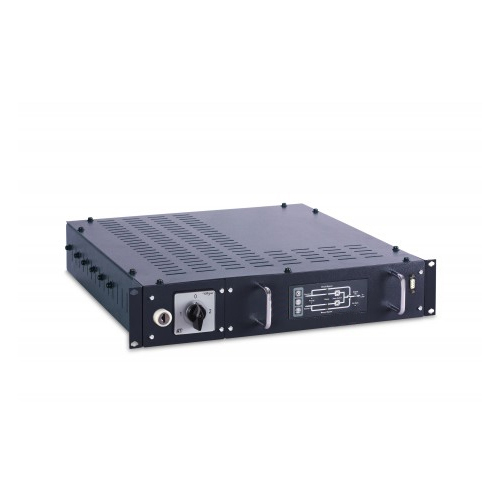
Tell us about your requirement

Price:
Quantity
Select Unit
- 50
- 100
- 200
- 250
- 500
- 1000+
Additional detail
Mobile number
Email

More Products in Static Transfer Switches Category
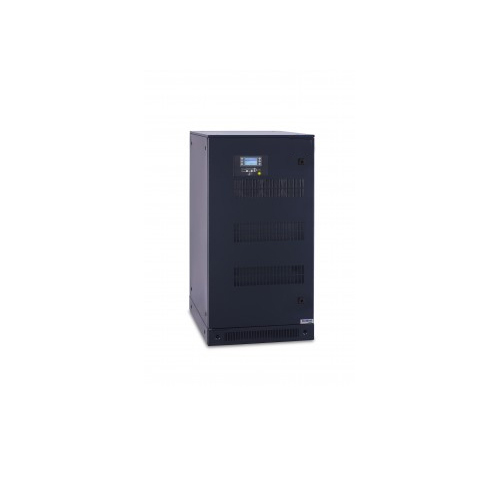
Static Transfer Switches
Price 300000.0 INR / Piece
Minimum Order Quantity : 1 Piece
Material : Mild Steel
Phase : Single Phase
Frequency (MHz) : 5060 Hertz (HZ)
Weight : 2658 Kilograms (kg)

 Send Inquiry
Our Products

Plot No.17, Ground Floor, Vinoba Puri, Lajpat Nagar-II, New Delhi - 110024, India

Mr Gurpreet Singh Bali
(Proprietor)
Mobile :08045800506
 Send Inquiry
 Send SMS
Developed and Managed by Infocom Network Private Limited.
